As a parent, I completely understand wanting the best for your children. We all want them to feel happy, healthy and safe.
As children move into adolescence, many parents notice a change. Conversations become shorter, bedroom doors stay closed a little longer and "I'm fine" becomes a familiar response. It can leave us wondering whether they simply need space or whether they are struggling with something they cannot quite put into words.
I noticed this as my own children grew older. They did not always share everything with me. Sometimes they wanted to work things out for themselves, sometimes they did not know how to explain what they were feeling, and sometimes they simply needed somebody different to talk to.
Understanding Adolescence
Adolescence is a period of huge change. From around the age of 11 onwards, young people are navigating friendships, school, identity, increasing independence and emotions that can feel confusing or overwhelming.
The frontal cortex, the part of the brain responsible for planning, decision-making and regulating emotions, continues to develop well into early adulthood. At the same time, young people are experiencing new situations, challenges and emotions, often for the very first time.
Many of the young people I work with tell me that they struggle to find the words to explain how they are feeling. They know something does not feel right, but they cannot always identify exactly what is going on.
As a counsellor, one of the phrases I hear most often is:
"I do not know."
At first glance, this can sometimes appear as though a young person is unwilling to talk. More often than not, my experience is that they genuinely do not know how to put their thoughts, feelings and experiences into words. They may feel overwhelmed, embarrassed, frustrated or out of control, whilst lacking the emotional vocabulary to explain what is happening for them.
It is also worth remembering that young people often have very little control over many aspects of their lives. Their days are shaped by school timetables, homework, family routines and expectations, whilst they are simultaneously navigating friendships, academic pressures and increasing independence.
As both a counsellor and a parent, I often reflect back on my own teenage years. I remember that sense of restlessness, the intensity of emotions and feeling that something was happening inside me but not always having the language to explain it.
Now imagine experiencing all of that and struggling to help others understand. It can feel frustrating, lonely and overwhelming.
This is often where counselling can help.
So, What Actually Happens in Counselling?
You may have read that counselling offers a safe, confidential and non-judgemental space. Those words appear on many counselling websites and, if I am honest, they appear on mine too. But what do they actually mean for a young person and their parent or carer?
For me, counselling begins with building trust.
Young people rarely walk into the room and immediately begin talking about difficult feelings. Trust develops over time. We get to know one another, and the young person begins to decide whether this feels like a safe place to be themselves.
Sometimes we talk.
Sometimes we draw.
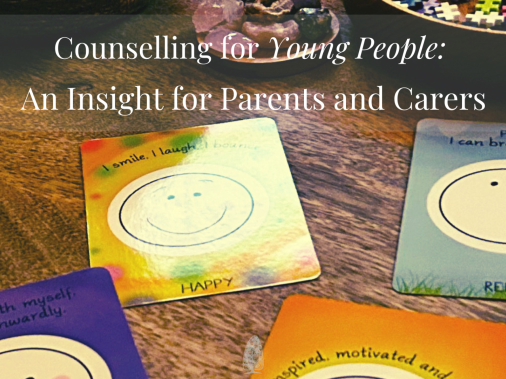
Sometimes we make jewellery.
Sometimes we play Uno or Connect 4.
Sometimes we spend an entire session talking about music because the lyrics explain something that feels impossible to put into words.
None of these things are distractions from counselling. They are often the counselling.
Although parents often seek counselling because of a particular concern, young people sometimes bring something completely different into the room. We work on what feels important to them. Often, as trust develops, the conversations naturally begin to connect with the difficulties that brought them to counselling in the first place.
My role is not to tell a young person what to do or to fix their problems. Together we explore what is happening in their world, helping them understand themselves more clearly and discover healthy ways of coping with life's challenges.
Alongside exploring thoughts and feelings, we may also spend time helping young people understand what is happening in their mind and body. Sometimes simply understanding why they feel the way they do can help things begin to make more sense.
Every young person is different. What helps one young person may not work for another, so together we discover what feels helpful for them.
Working Together with Parents and Carers
In most cases, my first conversation is with a parent or carer. We talk about your concerns, explore whether counselling feels like the right fit and answer any questions you may have.
Before counselling begins, I invite parents or carers to join us for the beginning of the first session. This gives us an opportunity to meet together, discuss how counselling works, go through the counselling agreement and explore any concerns about the counselling process.
One of the biggest questions parents ask is about confidentiality.
For counselling to work, a young person needs to know they have a space that belongs to them. This helps build trust and allows them to speak openly without worrying that everything they share will be passed back to others.
As a parent myself, I understand that this can sometimes feel difficult. Wanting to protect and support your child is completely natural.
I do not provide parents with a running commentary of what is discussed during counselling sessions. If a parent contacts me asking for an update, I would first speak with the young person about what, if anything, they would feel comfortable sharing. The exception to this is safeguarding. If I am concerned about the safety of a young person or somebody else, I would always take appropriate action and discuss this wherever possible.
Although counselling belongs to the young person, parents remain an important part of the process. We are all working towards the same goal: helping your young person feel understood, supported and able to navigate the challenges they are facing.
What If My Young Person Does Not Want Counselling?
This is a question I am asked quite regularly.
Counselling works best when a young person feels they have a choice.
That does not mean they need to arrive feeling enthusiastic or ready to talk straight away. Most young people feel nervous during the first session.
However, they also need to feel comfortable with me, the counselling room and the process itself. Building trust takes time, and every young person moves at their own pace.
Sometimes a young person simply is not ready for counselling, and that is okay too. Respecting their autonomy is an important part of the process. Counselling is there when they feel ready to engage with it.
What Can Counselling Offer?
Counselling is not about changing who a young person is.
It is about helping them understand themselves more clearly.
Over time, they may begin to recognise patterns in their thoughts and feelings, develop greater self-awareness, build confidence and discover healthier ways of coping when life feels challenging.
Sometimes the biggest change is not that a problem disappears completely. Instead, things begin to make more sense. Feelings that once seemed frightening, confusing or overwhelming become easier to understand, and with that understanding often comes greater confidence, resilience and hope.
A Final Thought
As parents, we naturally want to protect our children from life's difficulties. Watching them struggle can leave us feeling worried, helpless and unsure what to do next.
Seeking counselling is not about replacing the role of a parent. It is about offering a young person another safe relationship where they can explore their thoughts and feelings at their own pace.
Sometimes, having somebody alongside them while they make sense of their world can make all the difference.